


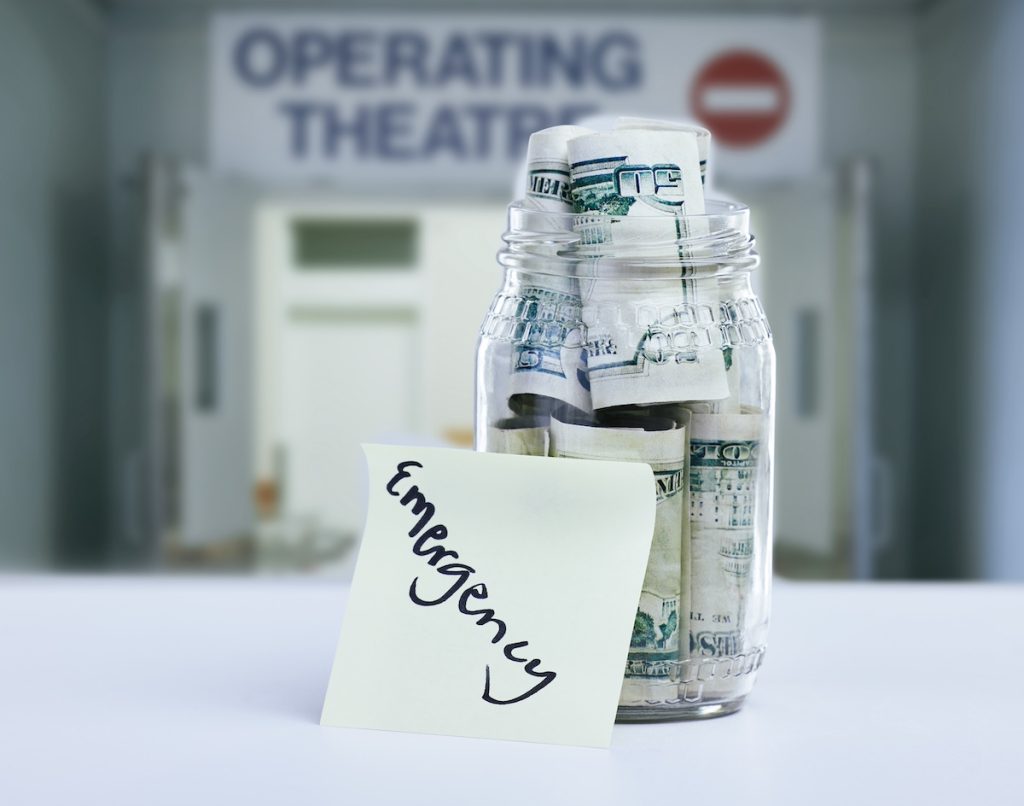
Whether it’s unexpected vehicle maintenance, a broken-down AC unit, or a sick pet, we have all experienced life’s surprises that leave us scrambling financially. This is why having an emergency essential when planning for the future,
What is an Emergency Fund?
An emergency fund is a savings account specifically set aside to cover unexpected expenses or financial emergencies. Think of it as a financial safety net that can help you avoid going into debt and give you peace of mind.
Why it Matters
No matter how carefully you plan, unexpected expenses can still catch you off guard. Having an emergency is the foundation for future financial resilience. Here is why it is so important:
- Avoid Debt: Without funds set aside, you may be forced to resort to debt. This can make an already unaffordable event more expensive.
- Rising cost of living: As housing, gas, and groceries continue to increase, even small, unexpected costs can throw off your budget.
- Peace of mind: Knowing you’re financially prepared reduces stress and turns what could be a financially devastating event into nothing more than an inconvenience.
How Much Should You Save?
Experts typically recommend 3-6 months of expenses, but don’t let that discourage you. Start small:
- Goal 1: $500
- Goal 2: One month of expenses
- Goal 3: Three months and beyond
Reaching 3–6 months of expenses takes time, but don’t underestimate the impact of smaller savings. If you’ve saved $500 and face a $400 car repair, you’ll be grateful for every dollar.
How to Build Your Emergency Fund
- Start small, stay consistent: Even $25 per paycheck adds up over time
- Automate it: Set up an automatic transfer to a separate savings account
- Optimize Cost of Living Adjustment: Allocate a portion of any extra income directly to your emergency fund.
- Eliminate waste in budget: Cut underutilized memberships and subscription services. Plan your meals and trips to the grocery store to limit food waste.
Where to Keep It
Your emergency fund should be easily accessible but separate from your checking account, like a high-yield savings account. This keeps it available when needed, but not too easy to dip into for non-emergencies.
You can visit Building My Emergency Savings Pathway | Iowa Insurance Division for practical tips and tools to help get you started.